The Importance of Accelerating Public Health Communication
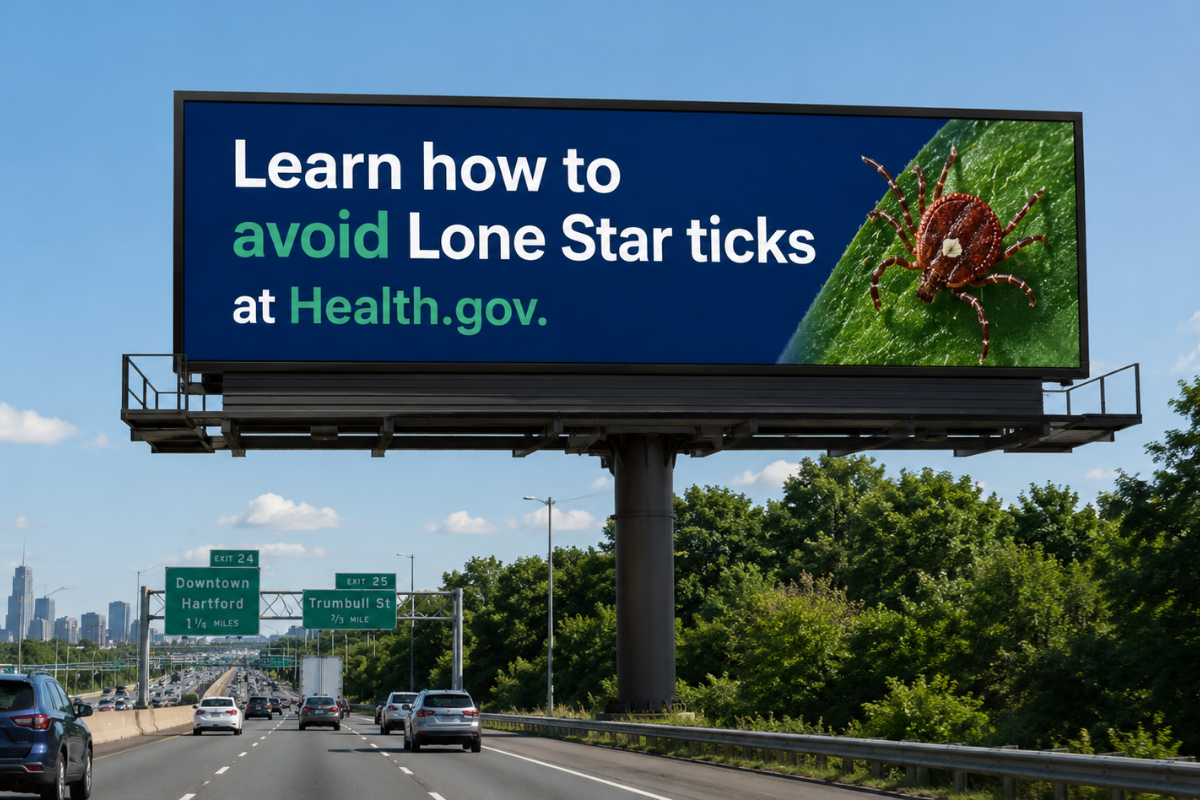
Anyone spending time outdoors this summer should be concerned about the lone star tick and the diseases it can transmit. One of those diseases, alpha-gal syndrome — an allergic reaction to red meat and dairy — has created a buzz among the public.
The rapid spike in attention and anxiety about this new threat shows how quickly information spreads via word of mouth and social media. It also demonstrates how important it is for health authorities to engage the public early in the intervention process. To prevent misinformation and fear, public health entities need flexible rapid-response communications programs in place to address emerging issues.
What is the textbook public health response?
When a governmental public health authority detects a new threat, the response typically follows an organized process that combines surveillance, risk assessment, public communication, and coordination with healthcare and environmental partners.
This is in accordance with the Centers for Disease Control and Prevention’s 10 Essential Public Health Services framework, most recently updated two years ago. The CDC framework is one of the most common references in governmental public health planning and in graduate public health coursework.
According to the framework, the public health response to a newly emerging threat (such as the establishment of the lone star tick in a state) generally follows the core functions of public health:
- Assessment: Detect the threat, conduct surveillance, verify the hazard, and assess risk.
- Policy development: Develop guidance, communicate risk, engage partners, and create response plans.
- Assurance: Implement prevention and control measures, ensure healthcare system preparedness, monitor outcomes, and evaluate the response.
For emerging threats such as the spread of the lone star tick, confirming surveillance data, mapping distribution, monitoring associated illnesses, and developing clinical guidance can take weeks or months. During that time, however, the public may fill information gaps with speculation and misinformation.
Communication can’t wait
The COVID-19 pandemic taught us the importance of effective public health communication. While confirming and assessing a health threat is critical, it is time to reevaluate the CDC response framework and to elevate the importance of strategic communications within it.
If your public health organization doesn’t communicate the threat early, someone else will. And it will likely be someone who is far less qualified.
How to get ahead of the threat
Proactivity is essential. Preempt misinformation by sharing clear, clinically accurate messaging as soon as possible. Even if your initial message simply raises awareness of the presence of a threat and transparently outlines the next assessment steps, you will have taken measures to establish yourself as a primary authority and resource for accurate information.
Tactically, you need to get your messaging into the right communication channels that typically come into play for an emerging issue:
- Create a thoughtfully architected landing page with all the information currently available. Update content as more information becomes available, making it a long term destination for communication.
- Activate paid search immediately. Launch a dedicated paid search campaign to reach people who are searching for information.
- Optimize for AI. Craft your online content to appeal to AI search so that your correct, authoritative content is fed to AI users. (For more about Generative Engine Optimization, albeit outside of public health, read this piece from our iFactory division here.)
- Engage on social media. Integrate key messaging into your organic and paid social media strategies.
- Issue provider advisories. Get early messaging out to health care providers on your official email distribution list. An initial advisory should highlight the threat, outline the steps being taken to assess and verify it, and instruct providers about how to answer questions from the public.
- Conduct media outreach. Issue a release (with follow-up to key outlets) that introduces the threat, promotes the landing page, and gives the media clear contact information. Ensure your media contacts are trained on the issue and are available to respond quickly to inquiries.
While all these steps may be part of your current protocol, consider activating them sooner than outlined in the established models. It’s important that you make your public health communications framework more flexible, nimble, and responsive.
Get ahead of the buzz.
Whether it’s about ticks or any other public health topic, news and misinformation travel faster than ever. If you don’t share true and accurate information early, someone else will share their own version of what’s true and accurate — which will probably fall short of both.
Contact us to see how we can help you adapt your protocols to this new information environment or address emerging challenges.