Five Takeaways from Public Health Professionals
Every day we collaborate with our public health partners in academia, government, and the nonprofit sector to support interventions that make our communities healthier. Recent interviews with staff from the Rhode Island Department of Health deepened our understanding of the many ways public health professionals touch every corner of our community — and gave us a greater appreciation for their unwavering dedication to their work.
In the spirit of increasing awareness, appreciation, and gratitude — and using the words of our interviewees — we distilled five key takeaways about what keeps the public health system humming.
Public health is everything.
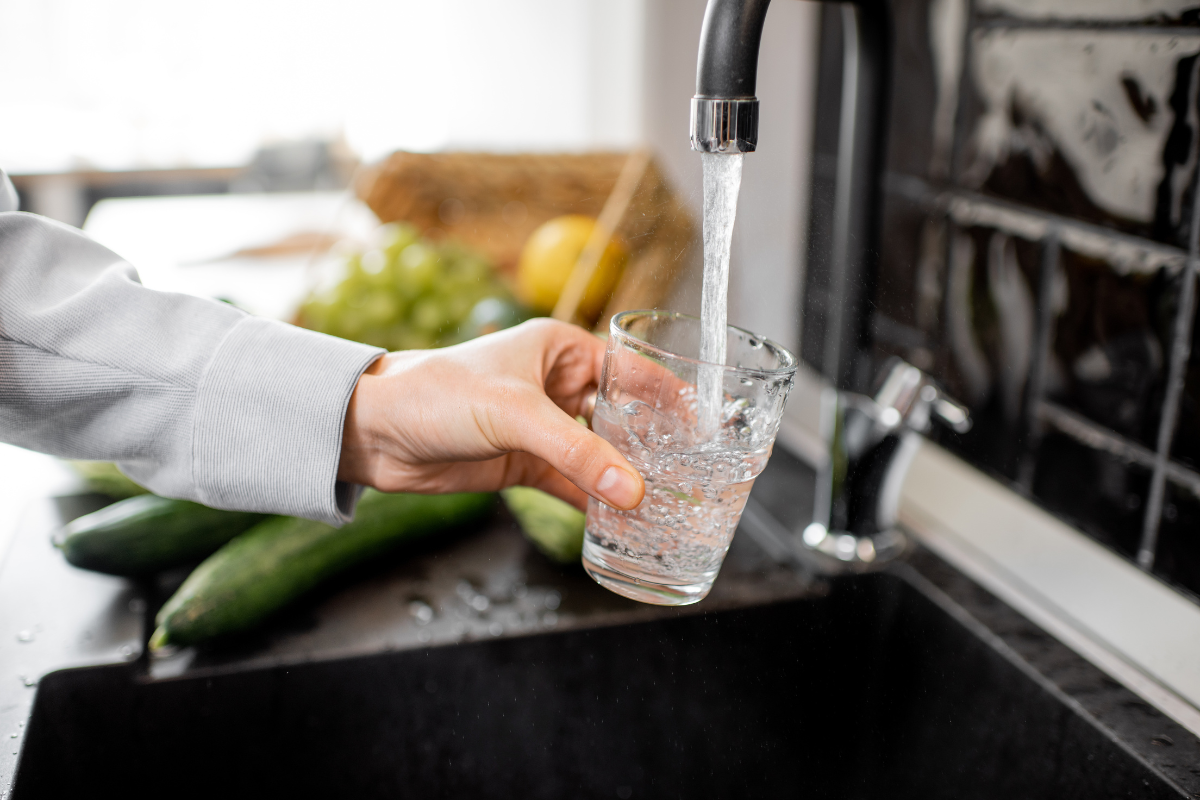
“Public health affects everyone.” You’d be hard-pressed to identify an aspect of daily life that does not fall under the purview of public health. From the water you drink and the air you breathe, to the food you eat and the health services you access, public health is there. Likewise, public health programs aspire to address all communities, remove disparities, and ensure all people receive equal levels of protection and support. This broad, inclusive mandate of public health is easy to take for granted yet it is the foundation of a healthier community and world.
Happily off-stage, yet vital.
“Whether it’s preventing future issues or responding to emergencies, we are always working behind the scenes to protect our communities.” Most of the day‑to‑day tasks of public health workers —sampling, lab analyses, inspections, data collection, community outreach — are unseen and don’t make the news. But they create the essential safety net that allows our families and communities to thrive across life stages. There are countless unsung heroes in the field who are the first line of defense, silently protecting us from disease and providing resources and systems that keep us healthy.
Averting a widespread emergency.
“Our work acts as an early warning system – helping the state stay one step ahead.” By catching problems before they grow, public health professionals keep crises from spiraling into epidemics. The monitoring and early detection of viral RNA in wastewater, or the swift containment of a contaminated food supply, is what stops a few cases from becoming a state‑wide or national emergency. Prevention isn’t just a slogan — it’s a strategy that saves lives.
Driven to learn and amplify their impact.
“Over the years, I realized I wanted to take what I’d learned and try to make a bigger impact.” From former WIC (Supplemental Nutrition Program for Women, Infants, and Children) field workers to pharmacists, nurses, and other health professionals, many of our partners began with hands‑on roles and have since expanded into public health leadership, policy, and outreach. Their stories reveal a drive to do more and have a greater impact. Their varied backgrounds and expertise are essential to the multi-disciplinary nature of effective public health practices.
There is a role for all of us.
“I help families and communities access the resources they need to stay healthy and safe.” “We also provide education and guidance to food establishments, helping them follow safe practices.” Education is the key to empowering communities to own their health and contribute to healthy environments. Whether it’s a nutrition toolkit for parents, an overdose trends dashboard for policymakers, or a food allergies checklist to help restaurants keep customers safe, public health professionals translate science into practical steps we all can follow. Empowering the public with knowledge turns health policies into lived realities.
Reasons to be thankful
Despite their vital role in society, national research by the Kaiser Family Foundation consistently shows that government public health agencies — on a state, local, and national level — struggle with an increasingly mistrustful public. This is due in large part to the politicization of public health since the pandemic. Our own primary research shows that only 51% of respondents have a “solid understanding” of what public health agencies do — and the learnings described above make it clear that this must change. Public health professionals deserve our gratitude, respect, and collaboration.
Contact us to learn more about the exciting work we are doing with our public health partners.